—Brain Health Framework
The 5 Pillars of Brain Health
A comprehensive, evidence-backed framework for protecting and improving cognitive function at every age.

—Brain Health Framework
The 5 Pillars of Brain Health
A comprehensive, evidence-backed framework for protecting and improving cognitive function at every age.

—Brain Health Framework
Nutrition & Diet
What you eat directly shapes how your brain functions. Anti-inflammatory, nutrient-rich diets support memory, mood, and long-term cognitive vitality.
53%
What is the MIND diet?
What the Research Shows
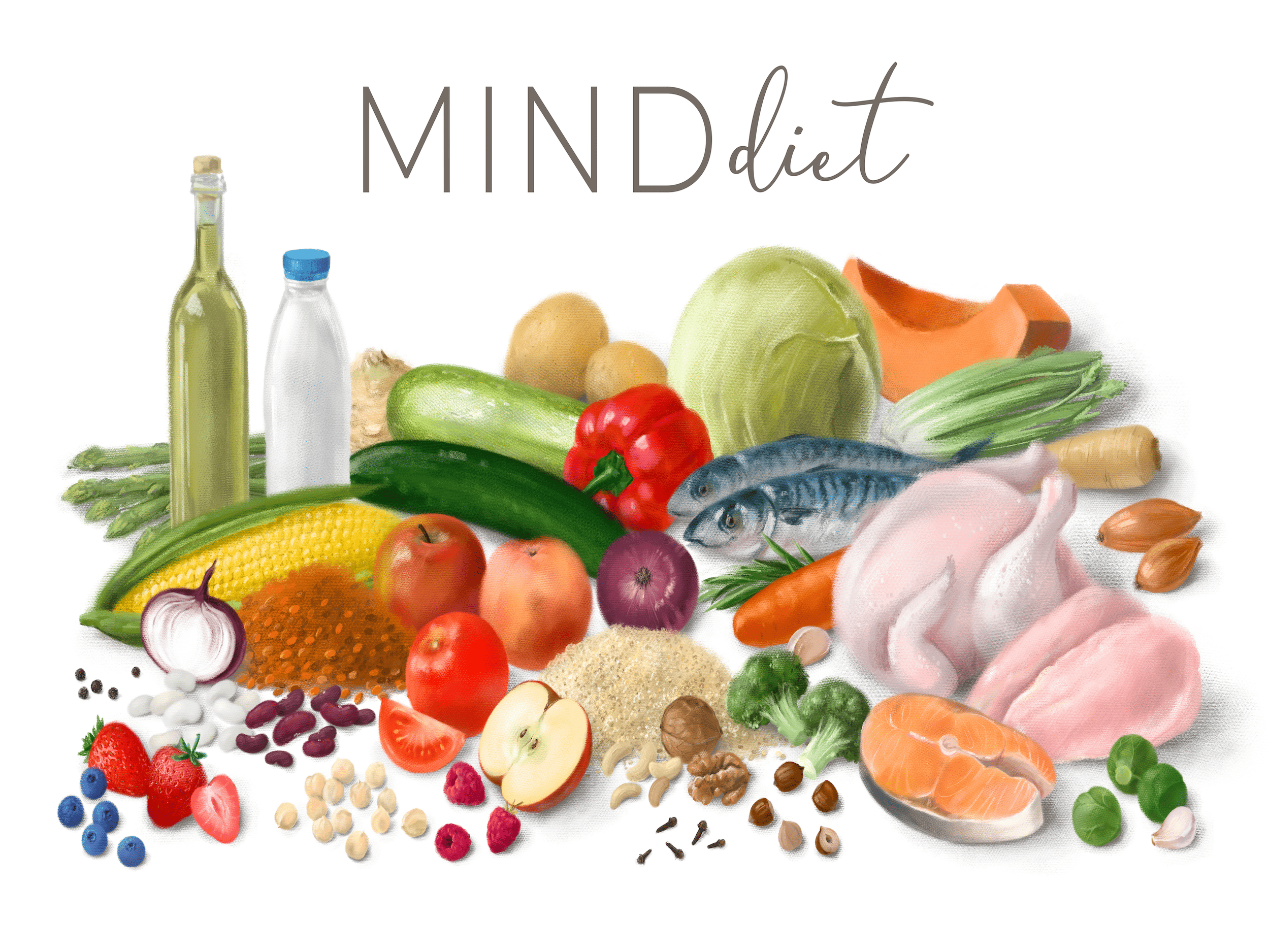
In 2015, researchers at Rush University Medical Center made a discovery that would change how we think about brain health and diet. They created the MIND diet—Mediterranean-DASH Intervention for Neurodegenerative Delay—specifically designed to slow cognitive decline and reduce dementia risk.
Practical Action Steps
1
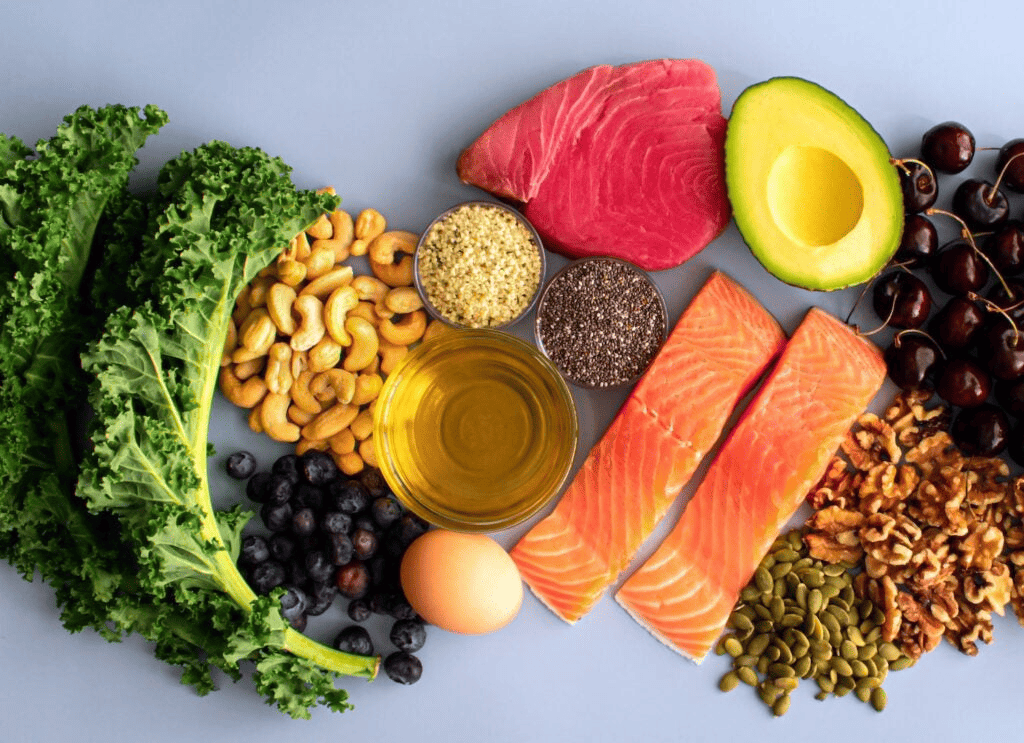
Eat 2+ servings of leafy greens daily
2
Incorporate omega-3-rich fish twice per week
3
Limit ultra-processed foods and added sugars
4
Snack on blueberries, walnuts, and olive oil

Nutrition
Learn all about the mind diet components
Discover the essential components of the MIND Diet and learn how each food group supports brain health, memory, and cognitive function. This guide explores the science behind the diet, practical food recommendations, and simple ways to incorporate brain-healthy habits into your daily routine.
…

— Pillar 2 of 5
Physical Activity
Regular aerobic exercise increases blood flow to the brain, promotes neurogenesis in the hippocampus, and has a measurable protective effect against dementia.
35%
What the Research Shows
When it comes to protecting your brain from cognitive decline and dementia, exercise is the closest thing we have to a miracle drug.

Practical Action Steps
1
Aim for 30 minutes of brisk walking, 5 days a week
2
Add light strength training twice per week
3
Try balance exercises like yoga or tai chi
4
Take movement breaks every 90 minutes



Exercise
Move your body, protect your brain: what the U.S. POINTER study means for you
If you’ve ever wondered whether exercise really makes a difference for your brain, the science now has a clear answer: yes — and the proof comes from one of the most important brain health studies of our time.
…
— Pillar 3 of 5
Cognitive Engagement
If you’ve wondered whether playing Sudoku, doing crossword puzzles, or using a brain-training app like BrainHQ actually protects your brain from cognitive decline, you’re not alone.
32%
A reduction of 25% over 20 years – cognitive speed training!
What the Research Shows
An NIH-funded randomized controlled trial of more than 2,800 older adults (the “ACTIVE Study”) has reported that a modest amount of cognitive training significantly reduced Alzheimer’s Disease and related dementias diagnoses, as reported in Medicare data over a 20-year follow-up period.

Practical Action Steps
1
Try to focus on evidence-based cognitive training
2
Engage in complex social-cognitive activities like bridge, chess or others
3
Learn new skills
4
Try novel experiences or engage in a new hobby

Cognition

— Pillar 4 of 5
Social Connection
Strong social bonds protect cognitive health. Loneliness and social isolation are among the most potent risk factors for accelerated cognitive decline.
80yrs
Socializing stimulates attention and memory!
What the Research Shows
Loneliness increased the risk for dementia at a magnitude similar to the impact of being physically inactive or smoking.

Practical Action Steps
1
Maintain regular contact with friends and family
2
Join a club, class, or faith community
3
Volunteer for a cause you care about
4
Schedule weekly social activities




— Pillar 5 of 5
Understand Your Biomarkers
Metabolic Health and brain health are inseparable. Managing blood pressure, cholesterol, and blood sugar reduces the risk of vascular dementia.
19%
What the Research Shows
Research shows that brain aging is influenced by how well you understand and manage your blood pressure, cholesterol, and blood sugar biomarkers during midlife.

Practical Action Steps
1
Monitor blood pressure and keep it at or below 120/80.
2
Get annual metabolic and cardiovascular screening
3
Avoid smoking and limit alcohol
4
Work with your doctor on cardiovascular risk factors

Metabolic Health
The midlife window: why blood pressure, cholesterol, and blood sugar matter most between 40 and 65
If there’s one theme that runs through the cardiovascular and metabolic research on brain health, it’s this: the numbers that matter most for your future cognitive health are often the ones measured decades
…
Metabolic Health
One lifestyle change, three protective effects: the MIND diet, exercise, and your metabolic health
It’s easy to think of blood pressure, cholesterol, and blood sugar as three separate problems requiring threeseparate solutions. But two of the most well-supported lifestyle interventions
…