Brain Health Forum

— Resource Library

Articles and Studies

Whether you have a question, want to request a presentation, or would like to collaborate — reach out.

Nutrition

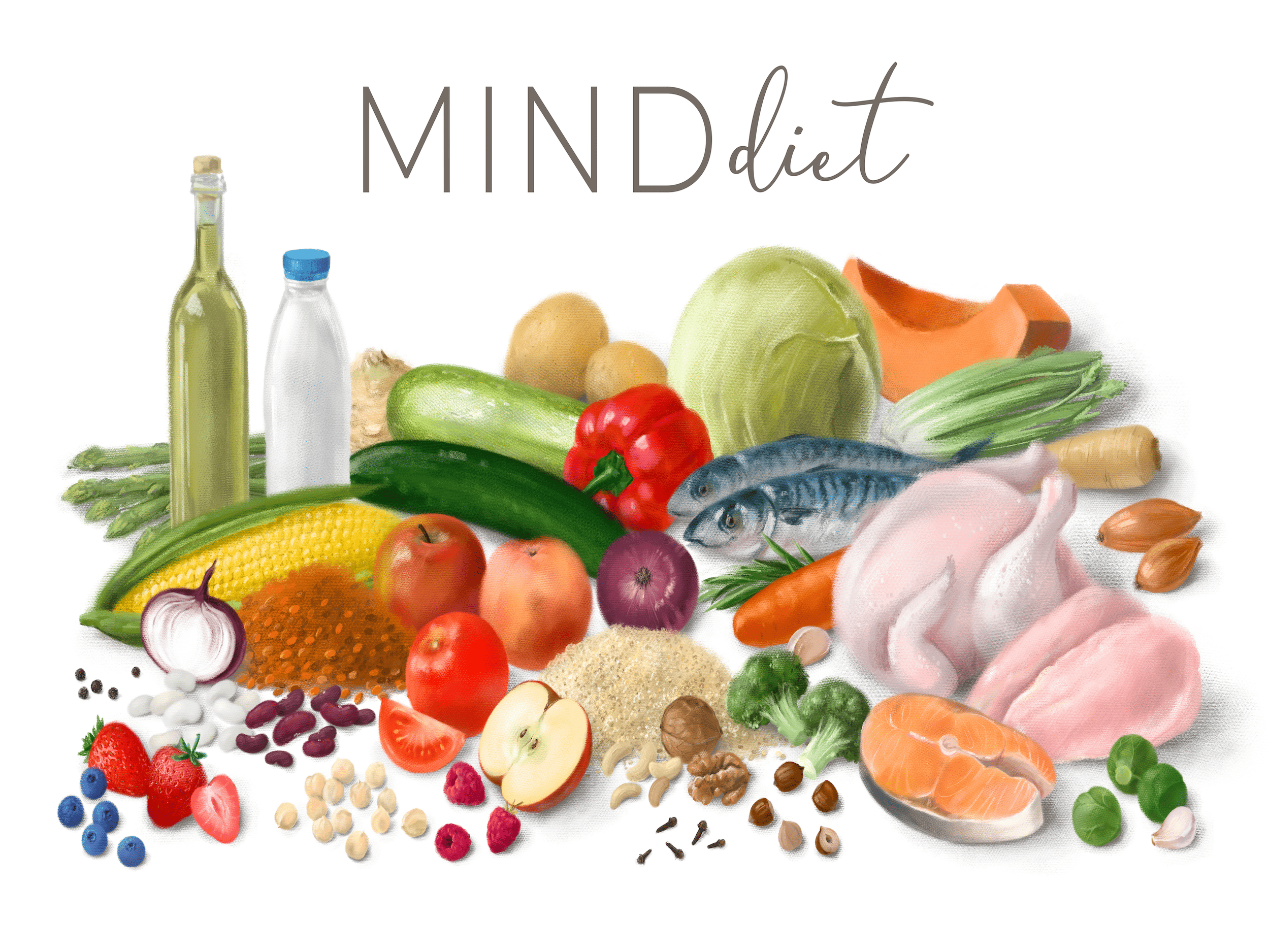
How to actually implement the MIND diet: a practical guide

Understanding why the MIND diet works is one thing — actually putting it into practice is another. The good news is that the MIND diet was designed to be flexible and realistic, not restrictive.

Nutrition

Learn all about the mind diet components

Discover the essential components of the MIND Diet and learn how each food group supports brain health, memory, and cognitive function. This guide explores the science behind the diet, practical food recommendations, and simple ways to incorporate brain-healthy habits into your daily routine.

Nutrition

Why the MIND diet works: the science behind the plate

The MIND diet has become one of the most talked-about eating patterns in brain health circles — and for good reason. But understanding why it works is just as important as knowing what to eat.

Exercise

Move your body, protect your brain: what the U.S. POINTER study means for you

If you’ve ever wondered whether exercise really makes a difference for your brain, the science now has a clear answer: yes — and the proof comes from one of the most important brain health studies of our time.

Exercise

How exercise protects your brain: the mechanisms

Understanding the brain science behind exercise’s protective effects helps explain why it’s so powerful. Exercise doesn’t just make you feel better—it literally changes your brain.

Exercise

Exercise & brain health – the science proves movement is your brain’s miracle drug

When it comes to protecting your brain from cognitive decline and dementia, exercise is the closest thing we have to a miracle drug

Cognition

Building cognitive reserve: your brain’s hidden buffer against decline

Two people can have the exact same amount of Alzheimer’s-related pathology in their brains — the same plaques, the same tangles — and yet one shows no symptoms while the other struggles significantly.

Cognition

BrainHQ: The brain training platform behind two landmark studies

Not all brain-training apps are created equal – and if you’re looking for one backed by real, published, decadeslong research rather than marketing claims, the evidence points clearly to one name: BrainHQ.

Cognition

Which brain games actually work? What 20 years of research reveals

Puzzle books, brain-training apps, card games — there’s no shortage of products promising to sharpen your mind. But which ones does the science actually back?

Social

Living alone, by choice: what science says about solitude, loneliness, and nature

If you’ve ever worried that living alone might automatically put your brain at risk, there’s good news — the research tells a more nuanced, and more reassuring, story than you might expect.

Social

The hidden risk factor: what science says about social isolation and brain health

When people think about protecting their brain as they age, they usually think about diet, exercise, or puzzles. Far fewer think about their social calendar.

Social

Which social activities actually benefit your brain?

We know that staying socially connected matters for brain health — but not all social activities are created equal. Recent research has started to tease apart which specific kinds of social engagement

Metabolic Health

Blood sugar and your brain: the connection you can control

Your brain runs almost entirely on glucose — it’s the primary fuel source for every thought, memory, and decision you make. So, it makes sense that when blood sugar regulation goes off track

Metabolic Health

One lifestyle change, three protective effects: the MIND diet, exercise, and your metabolic health

It’s easy to think of blood pressure, cholesterol, and blood sugar as three separate problems requiring threeseparate solutions. But two of the most well-supported lifestyle interventions

Metabolic Health

The midlife window: why blood pressure, cholesterol, and blood sugar matter most between 40 and 65

If there’s one theme that runs through the cardiovascular and metabolic research on brain health, it’s this: the numbers that matter most for your future cognitive health are often the ones measured decades